
Review · SIENA
Private Vespa Tour in Chianti
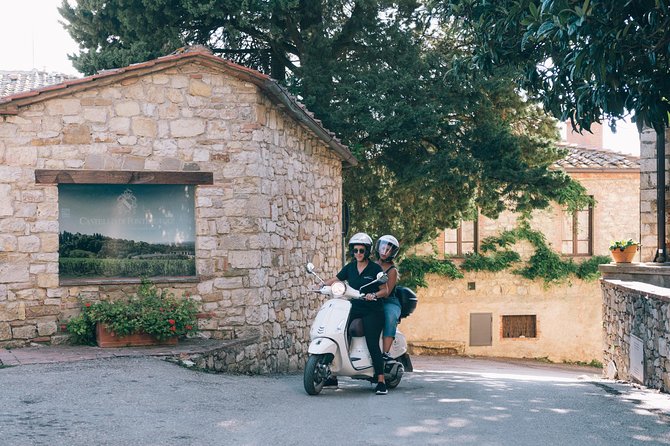
Chianti looks best from two wheels. This five-hour private tour takes you through vineyard roads, hill towns, and old defensive villages around Siena, with time for Italian lunch and wine tasting along the way. I like the freedom to choose your stops, and I like that the outing is private rather than folded into a large bus group.
The strongest part is the mix of riding and walking visits. Guides Tommaso, Martina, and Stefani have earned especially warm praise for their friendly approach, local stories, and care with the route. The main consideration is simple: you need real scooter or motorbike experience, and the staff can decide after the briefing whether you are safe to ride a Vespa.
What makes this Chianti Vespa ride special
- A private five-hour route: Your group rides together, with room to adjust village and viewpoint stops.
- Three historic Chianti towns: Radda, Panzano, and Castellina each offer a different look at the region’s past.
- A proper Vespa check before departure: Staff assess your riding ability and can refuse Vespa rental if they have safety concerns.
- Lunch and wine tasting included in the experience: The meal is a major part of the day, not an afterthought.
- Guides who add meaning to the stops: Tommaso, Martina, and Stefani bring the villages to life with walking tours and local context.
- A useful option for couples and small groups: Only your party participates, and group discounts may be available.
Starting at Castellina at 10 a.m.
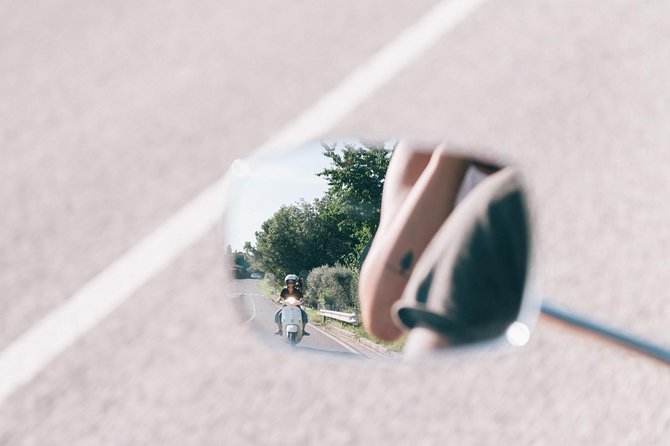
The tour begins at Tuscany Private Tour on Viale IV Novembre in Castellina in Chianti. This detail matters because the meeting point is not in central Siena. You need to plan your own way to Castellina before the 10 a.m. start, then return to the same place at the end.
The tour lasts about five hours. That gives you enough time for riding, short village visits, food, wine, and photo stops without turning the day into a rushed race through Chianti. Since the outing is private, you can ask for more time at a viewpoint or spend less time in a place that does not catch your interest.
At the start, staff give you a briefing on the Vespas. They assess each rider’s skill before allowing the ride to begin. This is not a box-ticking exercise. The company makes the final call, and that decision cannot be challenged. If the staff do not think you can handle a scooter safely, the tour may continue in another vehicle, depending on what is available.
That rule is worth taking seriously. Chianti roads are attractive, but a Vespa still requires balance, judgment, and confidence with traffic and bends. You must be at least 18 and carry a driving license. If you have only driven an automatic car, or if you feel uneasy on two wheels, this may not be the right outing for you.
More Chianti and Tuscan Countryside Vespa Tours in Italy:
- Florence Vespa Tour: Tuscan Hills and Italian Cuisine
★ 5.0 · 4,019 reviews - Chianti Vespa Tour with Lunch from Florence & E-car Option
★ 5.0 · 1,453 reviews - Florence: Chianti Wine Region Vespa or Fiat Topolino Tour
★ 4.8 · 739 reviews
Riding through the Chianti countryside
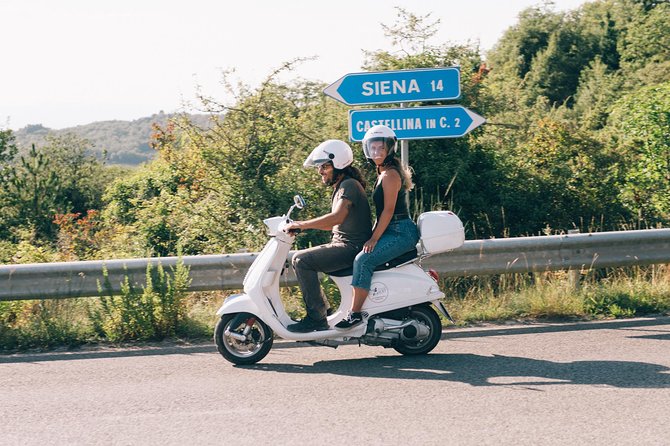
The pleasure here is not simply reaching one town after another. It is the movement between them. You ride through the countryside in a classic Italian style, stopping when a village, view, or old building deserves a closer look.
A Vespa makes the day feel more connected to the countryside than a coach tour. You are outside, close to the bends and hills, and able to pause at places that would be easy to pass in a larger vehicle. The private format also means you are not waiting for a full busload to climb back aboard.
The trade-off is exposure. You are riding, not sitting in an air-conditioned vehicle, and the activity depends on your comfort with scooters. The tour company’s safety briefing protects the experience, but it does not remove the need for basic riding ability.
If you are a confident rider, the Vespa is the heart of the day. If you are not, ask yourself honestly if the ride sounds exciting or stressful. The staff can provide another vehicle if available, but that option is not guaranteed in advance.
Radda in Chianti, the old capital of the Chianti League
The first major stop is Radda in Chianti, with about 45 minutes allotted for the visit. Radda served as the capital of the Chianti League, an old Florentine administrative area that included Radda, Gaiole, and Castellina.
The town’s story reaches back well before medieval Florence. Archaeological work around Poggio la Croce points to a settlement from roughly 2000 BC, followed by signs of Etruscan occupation. By the fifth century, small rural communities had formed around places such as Castelvecchi, Monterinaldi, Volpaia, and Radda.
The medieval period brought castles, feudal families, and repeated conflict between Florence and Siena. Radda was granted to the Counts Guidi in 1191, then came under Florentine control. Its castle suffered attacks by the Sienese, French forces, and troops connected with the Aragonese invasions.
You do not need to memorize these dates to enjoy Radda. They help explain why the town feels fortified and why the surrounding hills once mattered so much. This was a border zone, not merely a pretty wine area.
After the wars ended, many castles became grand country residences. Owners began producing wine, and the old defensive buildings slowly took on a more refined role. Radda later suffered from isolation and rural depopulation, especially in the 1950s, before restoration brought new life to its castles, villas, farmhouses, and vineyards.
I like this stop because it gives the tour a clear sense of time. You see a Chianti town shaped by conflict, farming, and later wine production. The 45-minute visit is long enough for a walking tour and a quick look around, though you should not expect a full museum visit or an exhaustive exploration of every lane.
Panzano and its hilltop past
Panzano in Chianti receives about 20 minutes, making it a shorter stop than Radda. That shorter visit suits the town’s role in the ride: a compact place for a view, a walk, and a dose of local history before you continue.
Panzano was inhabited in Etruscan times, and a stele from the sixth or fifth century BC was found near the parish church of San Leolino. Roman-era place names and remains point to continued settlement. By the medieval period, the castle had become part of the defensive network controlled by Florence.
The castle suffered during the Battle of Montaperti in 1260, then again in 1397 when troops connected with the Duke of Milan occupied and sacked the area. In 1478, during another invasion of Chianti, Panzano became an important Florentine stronghold and the seat of a republic-appointed commissioner.
For you, the value of Panzano is its position as much as its buildings. The hill town gives the ride another viewpoint over the surrounding countryside, and a guide can help you understand why these small settlements were fortified in the first place.
Twenty minutes goes quickly. If you want a long café stop or a slow wander, tell your guide early. The private format gives you more say than a standard group excursion, but the overall tour still has to fit into five hours.
More Private Vespa Tours in Italy:
- The BEST Private Amalfi Coast Vespa Tour
★ 5.0 · 247 reviews - Rome Private Vespa Tour Pick-up from Hotel
★ 5.0 · 161 reviews - Naples/Sorrento/Positano: Private Amalfi Coast Tour by Vespa
★ 4.9 · 121 reviews - Private Sightseeing Tour in Naples by Vespa
★ 5.0 · 75 reviews
Castellina, where Florence guarded the road to Siena
The third town is Castellina in Chianti, which is also the starting and ending point. Its location made it one of the most important Florentine outposts in the region because the road connected Florence and Siena.
The area has Etruscan remains, including the Montecalvario tomb from the seventh or sixth century BC and the Necropoli del Poggino near Fonterutoli. Excavations around Castellina also point to a large ancient settlement near Salinvolpe.
In medieval times, Castellina moved from the influence of local noble families toward Florence. After the 1203 agreement that fixed the Chianti border between Florence and Siena, its position became even more important. The town later headed one of the three districts of the Chianti League.
Castellina was attacked and burned in 1397 by troops under Alberico da Barbiano. Florence then worked to strengthen its defenses. In 1430, builders connected with Florence’s cathedral works were asked to help fortify the town, and Filippo Brunelleschi was sent to advise on the work and estimate the cost.
The town was attacked again in 1452 and eventually conquered during the 1478 invasion. The Sienese occupation lasted until 1483, when Florence took control again. That history gives Castellina a sharper military character than a simple wine village.
Because the tour begins here, Castellina may be your first look at Chianti. You can also expect to return here after lunch and wine. The exact length of the stop is not specified, so your guide will shape it around the day’s timing and your group’s interests.
Lunch and wine, the reward after the ride
The food stop is one of the most important parts of the experience. The tour includes an Italian lunch and wine tasting, and the meal has been singled out as a special part of the day.
That matters because a countryside ride can feel thin if it is only a sequence of quick photo stops. Sitting down for food gives you time to slow down and enjoy the region as a place where people still gather around the table. Wine also makes more sense after you have ridden among the villages and vineyards that give Chianti its name.
The available details do not specify the restaurant, menu, winery, or number of tastings. I would not book this expecting a formal wine course or a detailed cellar visit. Think of it as a generous local meal paired with a taste of the area’s wine, set within a private day of sightseeing.
The order may place lunch toward the end, as one account describes the meal as a special closing treat. The company may adjust the sequence to suit conditions and timing. If you have dietary restrictions, ask about them before booking since no special meal arrangements are listed.
The private format and the guide make the difference
A private tour works best when you want a flexible day rather than a fixed procession. You can stop at villages and viewpoints of your choosing, spend more time taking photos, or ask for a walking explanation of a castle or church.
The guides are a major strength. Tommaso is praised for leading visits on foot and for explaining the past with genuine enthusiasm. Martina and Stefani are also noted for taking a group through beautiful countryside and small towns while adding useful local context.
That personal attention is more valuable here than on a standard city tour. The villages are small, and their appeal can be easy to miss if you only look at the main square. A guide can point out why a wall exists, how a castle fit into the Florentine defense system, or how rural buildings changed from military sites into wine estates.
The private setting also helps couples, families with adult children, and small groups who do not all want the same pace as a large organized outing. Group discounts may improve the value when several people share the booking.
What the tour is worth
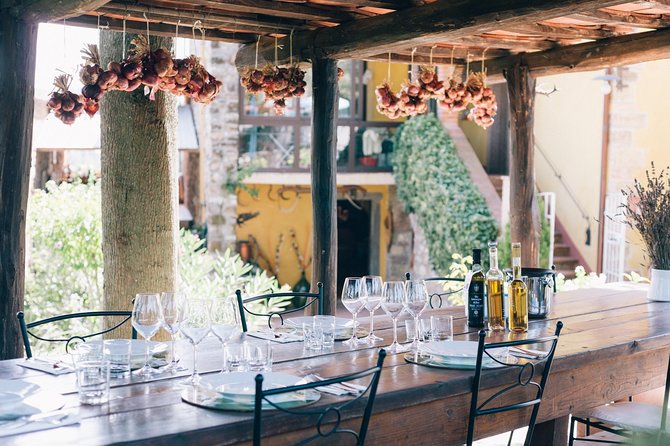
No tour price is provided here, so I cannot judge whether the cost is low or high in euros. I can assess what you are paying for: Vespa use, a private guide, transport between several Chianti towns, a five-hour schedule, lunch, wine tasting, and the chance to shape the route around your group.
That is a stronger package than simply hiring a scooter and following a map. You do not have to plan the stops, work out the best order, or interpret the military history of each town yourself. The food and wine also save you from arranging a separate restaurant stop.
The value drops if you cannot ride a Vespa. The staff may provide another vehicle if one is available, but the central appeal of the outing is the scooter experience. I would compare the price with a standard car-based private tour and ask exactly what happens if the staff decide not to rent a Vespa to you.
Who should book this ride?
I would choose this tour if you:
- Have real scooter or motorbike experience
- Want countryside rather than a museum-heavy day
- Prefer a private guide to a large group
- Enjoy combining short walks with open-air riding
- Want lunch and wine included in the same outing
- Like having some say over viewpoints and village stops
I would be cautious if you have never ridden a scooter, dislike winding roads, or want a long, slow visit in each town. The tour covers several places in five hours, so the day has movement and structure.
The overall rating is 4.5 from eight ratings, and the strongest praise centers on fun, beautiful countryside, excellent guides, village history, and the lunch. That pattern makes sense. The tour is not designed as a deep archaeological study or a relaxed full-day wine program. Its appeal is the combination of riding, views, small towns, personal guiding, and a satisfying meal.
Should you book the Private Vespa Tour in Chianti?
Book it if the ride itself is part of your dream of Tuscany. You will get a lively way to connect Radda, Panzano, and Castellina, plus stories that give meaning to the castles and roads between them.
Before paying, confirm that every driver is at least 18, has a driving license, and can handle a scooter with confidence. Also confirm the current price, the lunch arrangements, and what alternative vehicle may be offered if the staff do not approve a rider.
For confident riders, this looks like one of the more personal ways to see Chianti from Siena. For hesitant riders, choose a car-based tour instead and keep the wine tasting, village walks, and countryside views without putting your safety at risk.
FAQ
Where does the Private Vespa Tour in Chianti begin?
It begins at Tuscany Private Tour, Viale IV Novembre 35, 53011 Castellina in Chianti, Italy.
What time does the tour start?
The scheduled start time is 10 a.m.
How long does the tour last?
The experience lasts approximately five hours.
Which towns are included?
The route includes Radda in Chianti, Panzano in Chianti, and Castellina in Chianti.
Is the tour private?
Yes. Only your group participates in the activity.
What are the requirements for driving a Vespa?
Drivers must be at least 18 years old, have scooter or motorbike experience, and provide a driving license. Staff assess your ability during a briefing and make the final decision on Vespa rental.
What is the cancellation policy?
You can cancel at least 24 hours before the start time for a full refund. Cancellations or changes made less than 24 hours before the tour are not refunded or accepted.
Just added around Italy
- Vespa Tour – Explore Ancient Rome★ 5.0 · 5 reviews
- Vespa Sidecar Tour : Rome by Night★ 4.1 · 7 reviews
- Food tour & Vespa tour & Photo tour! All included★ 5.0 · 2 reviews
- Vespa Sidecar Tour: Highlights of Rome★ 4.7 · 10 reviews
- Rome: Vespa Tour with Gelato and Photos★ 4.9 · 7 reviews
- Vespa Tour with Professional Photographer★ 4.9 · 9 reviews
- Rome by night on Vespa★ 4.9 · 11 reviews
- Vespa Scooter Tour “Rome as a Local”★ 5.0 · 12 reviews
Private Vespa Tours, compared.
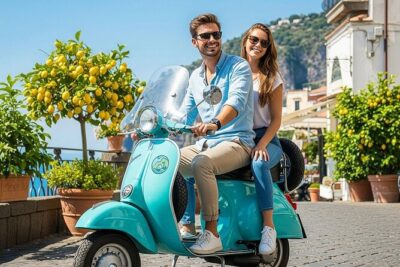
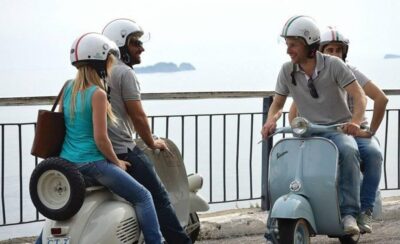
Naples/Sorrento/Positano: Private Amalfi Coast Tour by Vespa
Read our review →
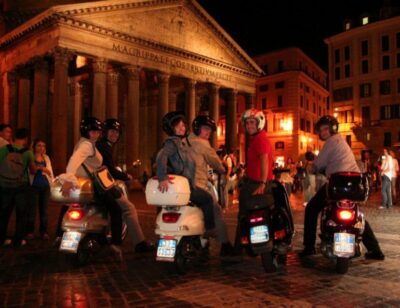
Rome by Night Vespa Tour With Driver/Private Guide
Read our review →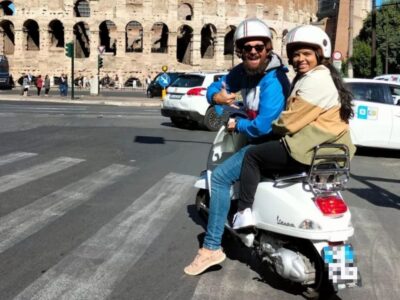
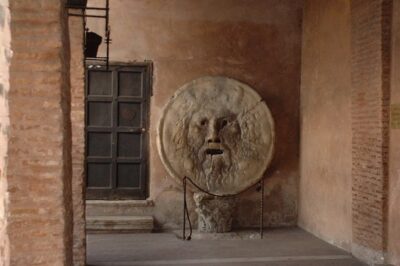
Rome by Vespa Semi Private Tour | MAX 6 PEOPLE GUARANTEED
Read our review →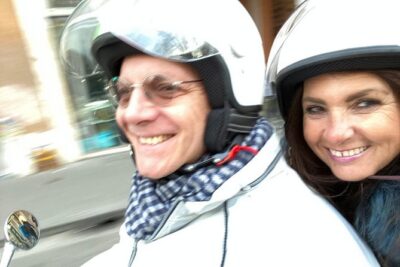
Browse the lists this ride appears in